
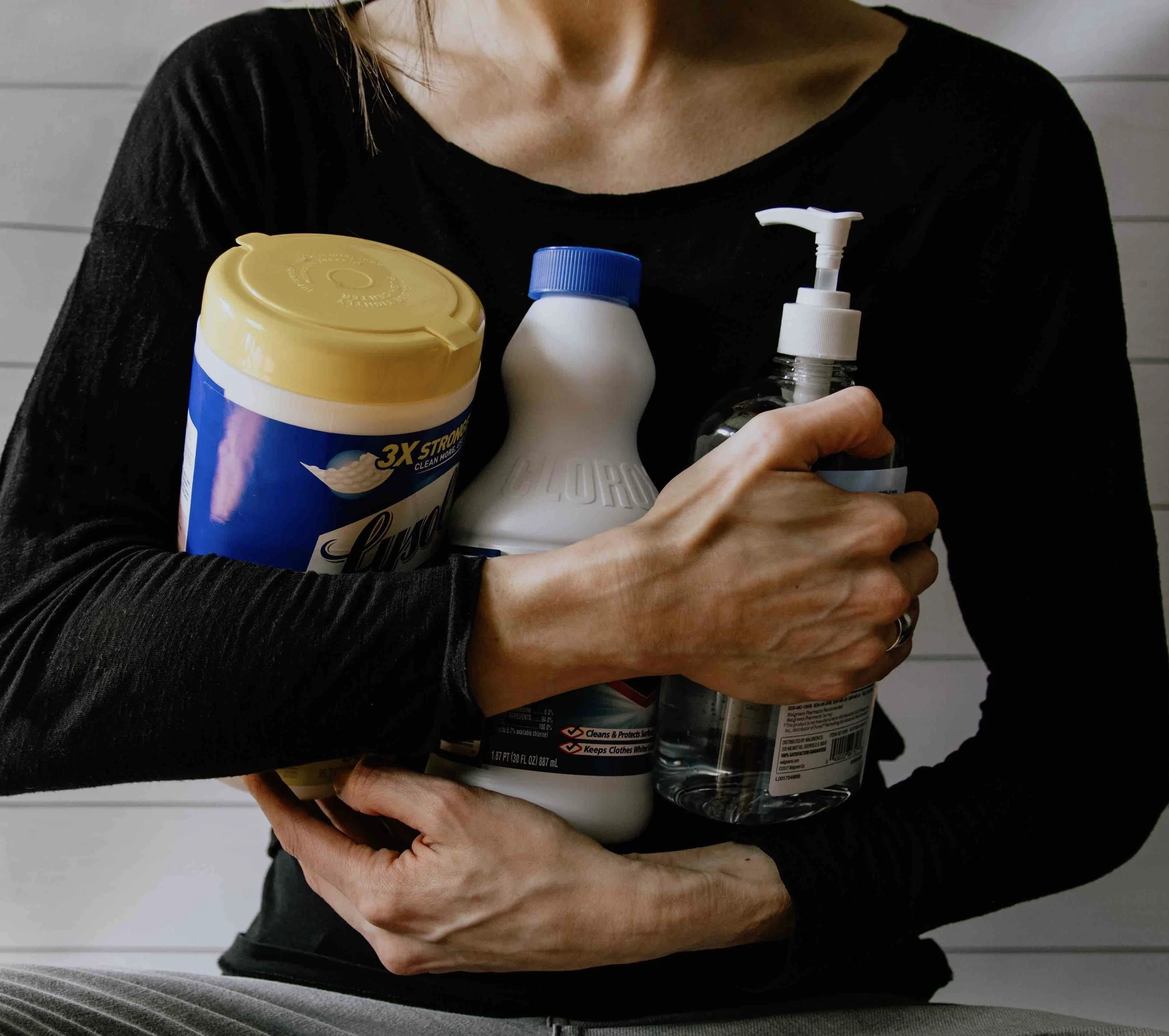

Chemicals are everywhere - we are surrounded by them. They are in our carpets, stain removers, detergents, easy press fabrics, paints and removers, multi-surface cleaners and plastics in our homes (just to name a few). Yet we don’t really know or talk about them as they are invisible and often are not included on product labels.
Here are some mind-blowing chemical stats: (source WHO.int)
There are 150million chemicals known to humankind;
The global chemical inventory lists over 350,000 chemicals registered for commercial use;
6,000 of these make up 99% of the chemicals found in commercial products;
2 million deaths each year occur from chemical exposure.
Millions more suffer health problems such as mental, behavioural and neurological disorders, cataracts or asthmaSome are fine and pose no harm to us, but there are a number of toxic chemicals that are having an impact upon our health.
So how do we come into contact with these? All of us come into contact with all sorts of chemicals on a daily basis.

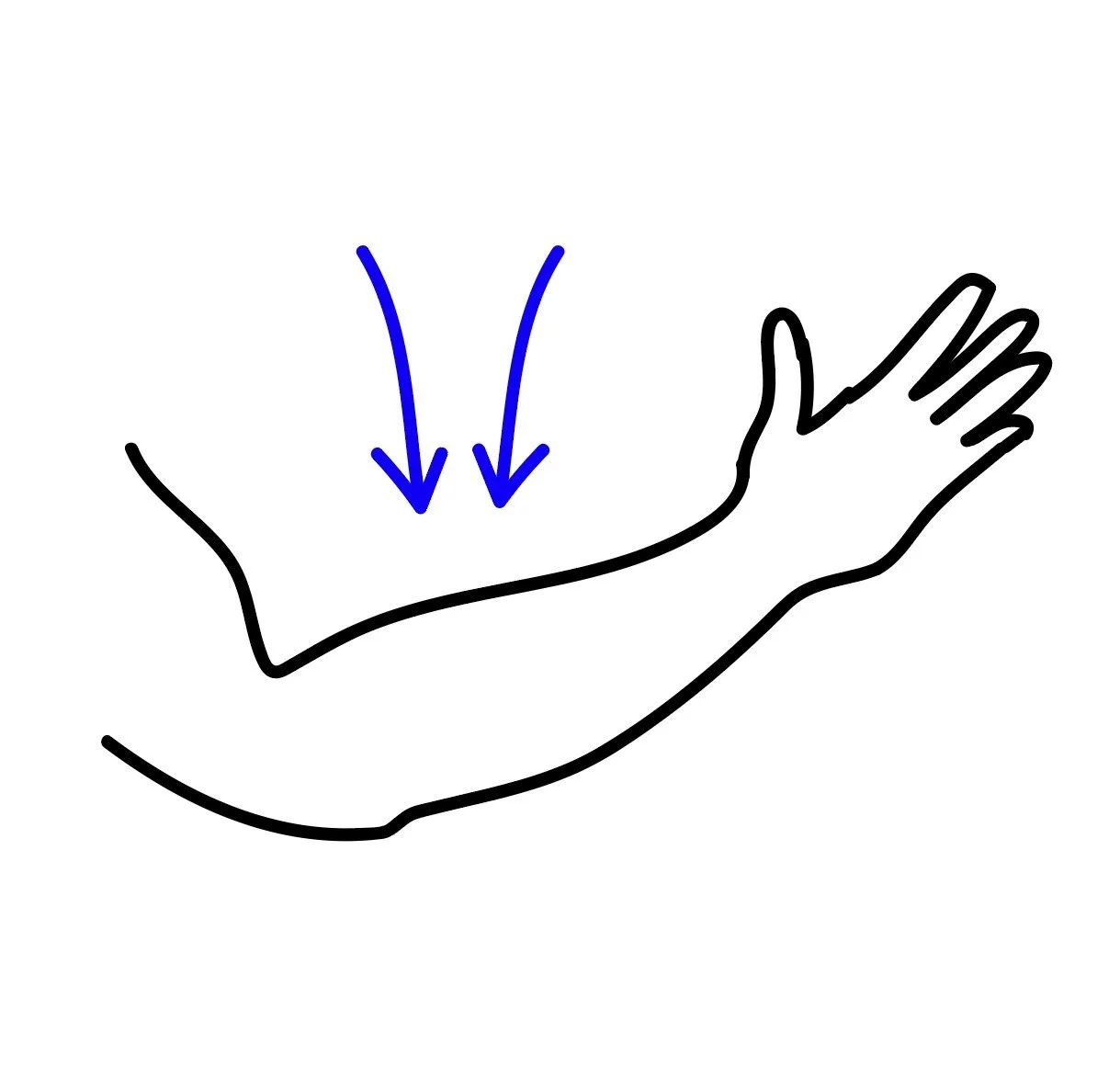
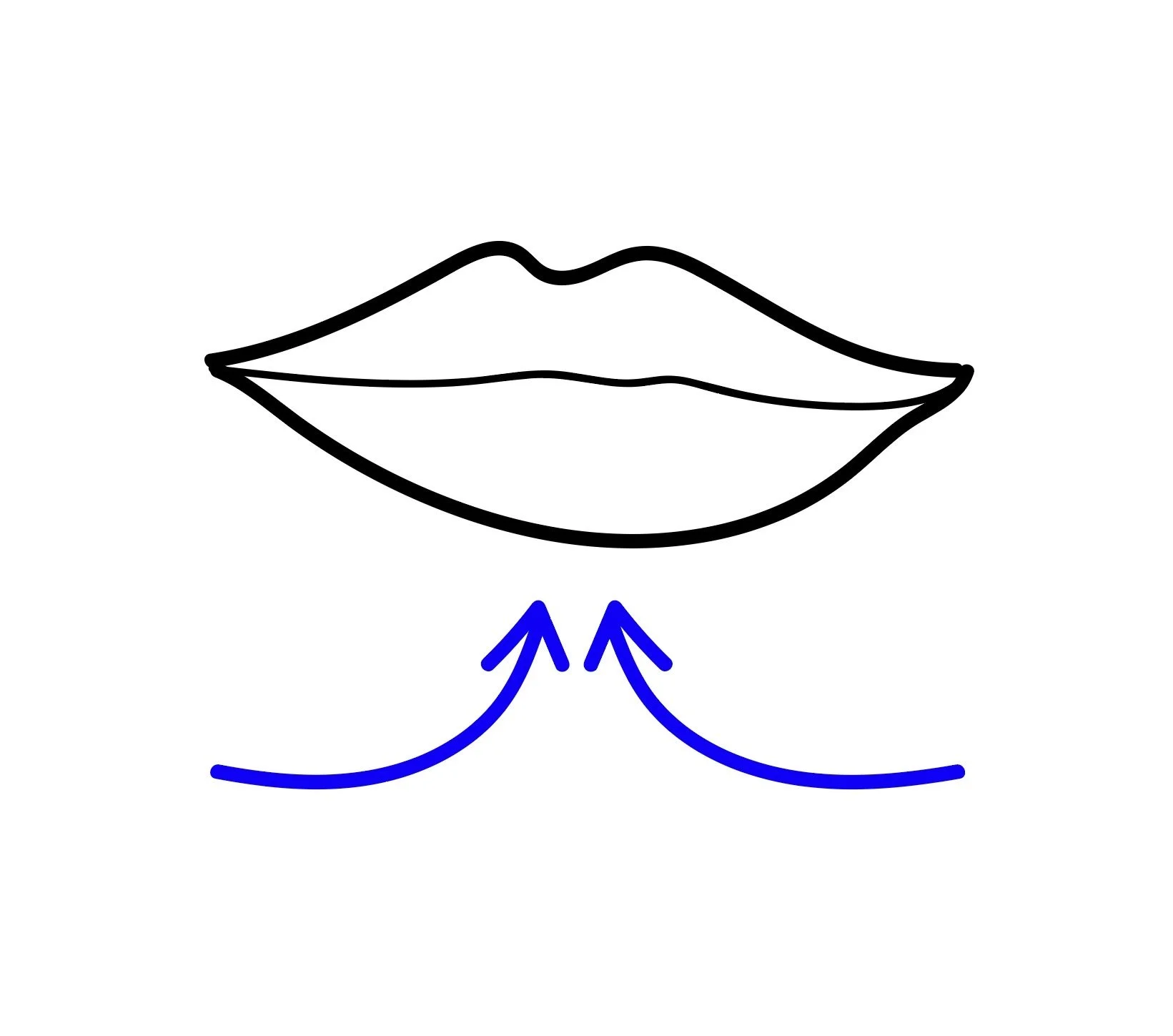
1. through exposure to the abiotic environment (soil, water, air)
by inhaling them from the air we breathe;
by absorbing them through our skin from the things we touch or allow to sit on our skin .
2. through our dietary intake known as trophic transfer
by ingestion from the food and liquids we drink.
The increase of a pollutant concentration in our bodies (and of the animals we eat) is known as bioaccumulation. As you progress up the food chain, the concentration of a pollutant also increases, this is called biomagnification.
There is a severe lack of information on products so consumers, like you and I, are not able to make an informed choice. That doesn’t mean all chemicals are bad - there are many that are not harmful and the industrial application of certain chemicals have helped improved our lives such as the development of water purification & modern medicine, the introduction of global communication and the preservation of food, to name a few.
However, although the chemical industry is highly regulated, there are still big problems with invisible indoor pollution in offices and homes, environmental pollution, lack of regulation to protect workers, a lack of corporate accountability and the marketing of products to consumer lacks true transparency.
Our natural de-tox system (the lymph nodes, kidneys etc) do a fantastic job of ridding our bodies of natural enemies, but for the last 80 years this man-made chemical challenge has put a strain on our bodies. Many of these chemicals cannot be flushed through the body’s system and end up being deposited in fatty cells. Then we wonder why there is an increase in cancers, heart disease, asthma, skin irritations, nausea and other health issues.
Reducing your daily exposure is vital for long term health. We can all make gradual changes - just take it one step at a time.
Awareness is key. Read PERSONAL DETOX and HOUSEHOLD DETOX for top tips on how to reduce your exposure.
Unsplash - Water - Mrjn Photography, Products - Kelly Sikemma, Soil - Gabriel Jimenez